STORY
Juliet at the Balcony (Romeo Declares Himself) is Juliet’s balcony in Verona, Italy, built from Charlotte’s own photographs of the house, its courtyard and the locks visitors hang there.
Using her signature multi layer photographic technique, Charlotte moves around the monument and layers views from many angles onto one surface, the way a film editor builds one scene from cameras placed on every side. Here the stone balcony appears 3 times, from the front and from each side. The pointed doorway, twice.
A woman looks down from the balcony. She was a stranger to Charlotte, and in the layers no one can tell who she is. Up there, she could be Juliet. The bronze statue of Juliet is here too, faint, at the bottom of the frame by the leaves.
Romeo declaring himself is not in the frame. He stands below, and you choose who he is.
The house dates from the 14th century and belonged to the Dal Cappello family, a name close to the Capulets of Shakespeare’s play, set in Verona.
Charlotte was struck by how many people come to see it. The courtyard has become a symbol of love. The locks hang on a metal gate behind you as you face the house: red and pink hearts, some with names written on them. The layering brings them onto the brick. Another one, on a post nearby, is pink and out of focus, closer than anything else.
Each lock is a wish of love.
This work is part of The Broken Series, Charlotte Fonne’s tribute to the Cubist painters, where the world’s iconic monuments are circled and gathered onto a single surface.
Each image in the composition is personally photographed by Charlotte, ensuring a genuine and unique piece. Signed, numbered, and accompanied by a Certificate of Authenticity.
Limited edition. Only 5 to 20 prints per size exist in the world.
Materials & Framing

Gallery-Quality Photo Print
Fuji Crystal Archive DP II: Exceptional Color and Longevity.
I print my artwork on Fuji Crystal Archive DP II, a premium gallery-quality photo paper known for luminous color and remarkable longevity. The paper reproduces deep contrast and a wide tonal range, giving the work a striking visual impact.
Fuji Crystal Archive DP II has an extremely wide color gamut and is designed to be non-fade for at least 75 years. The glossy finish enhances the depth of the artwork, creating an immersive viewing experience.
- Surface feel: Smooth
- Surface finish: Glossy
- Longevity: Non-fade for 75 years
- Manufacturer: Fujicolor
Acrylic Glass Mounting
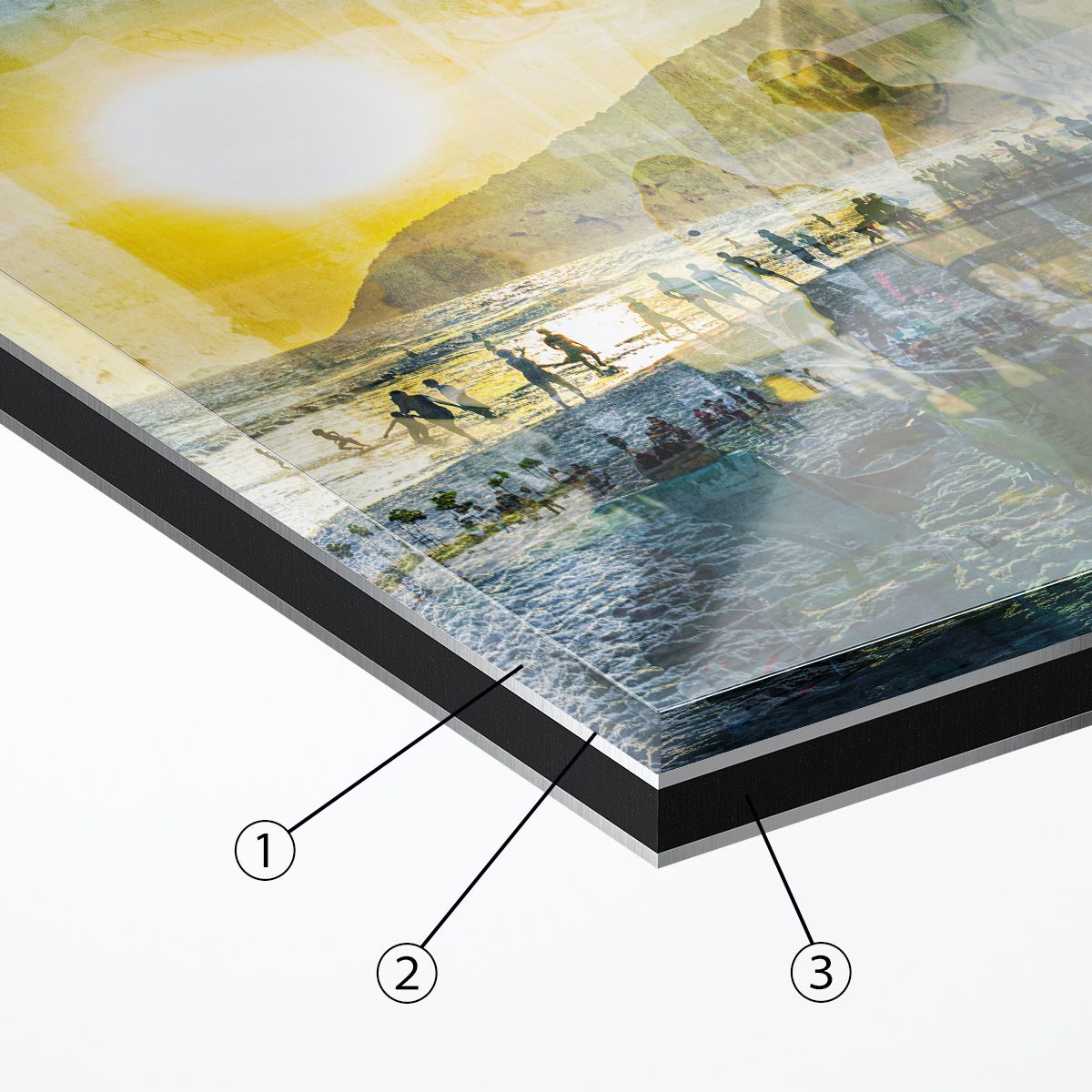
To enhance both durability and presentation, the photo print is mounted under glossy acrylic glass and backed with sturdy aluminum Dibond. This high-end mounting technique intensifies colors, adds depth, and provides a sleek, modern finish suitable for any space. Acrylic glass is lightweight, shatterproof, and resistant to temperature fluctuations. It protects the artwork while amplifying its brilliance, making it an excellent choice for a lasting display.
- Acrylic Glass: Glossy, 1/16 in. (2 mm)
- Photo Print: Fuji Crystal Archive DP II with silicone sealant
- Backing: Sturdy aluminum Dibond backing
This premium combination of materials ensures the artwork maintains brilliance and integrity for decades to come.
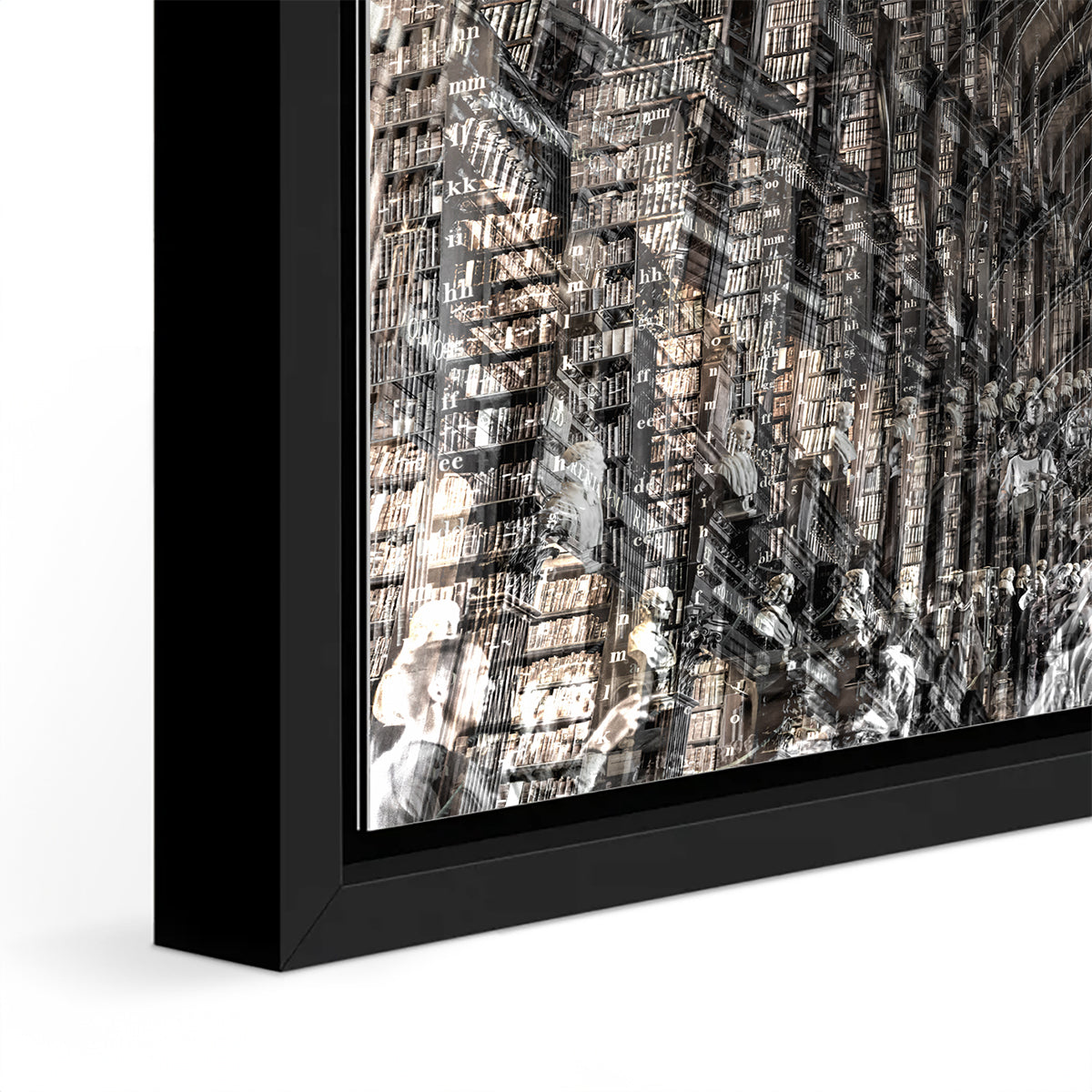
Floater Frame
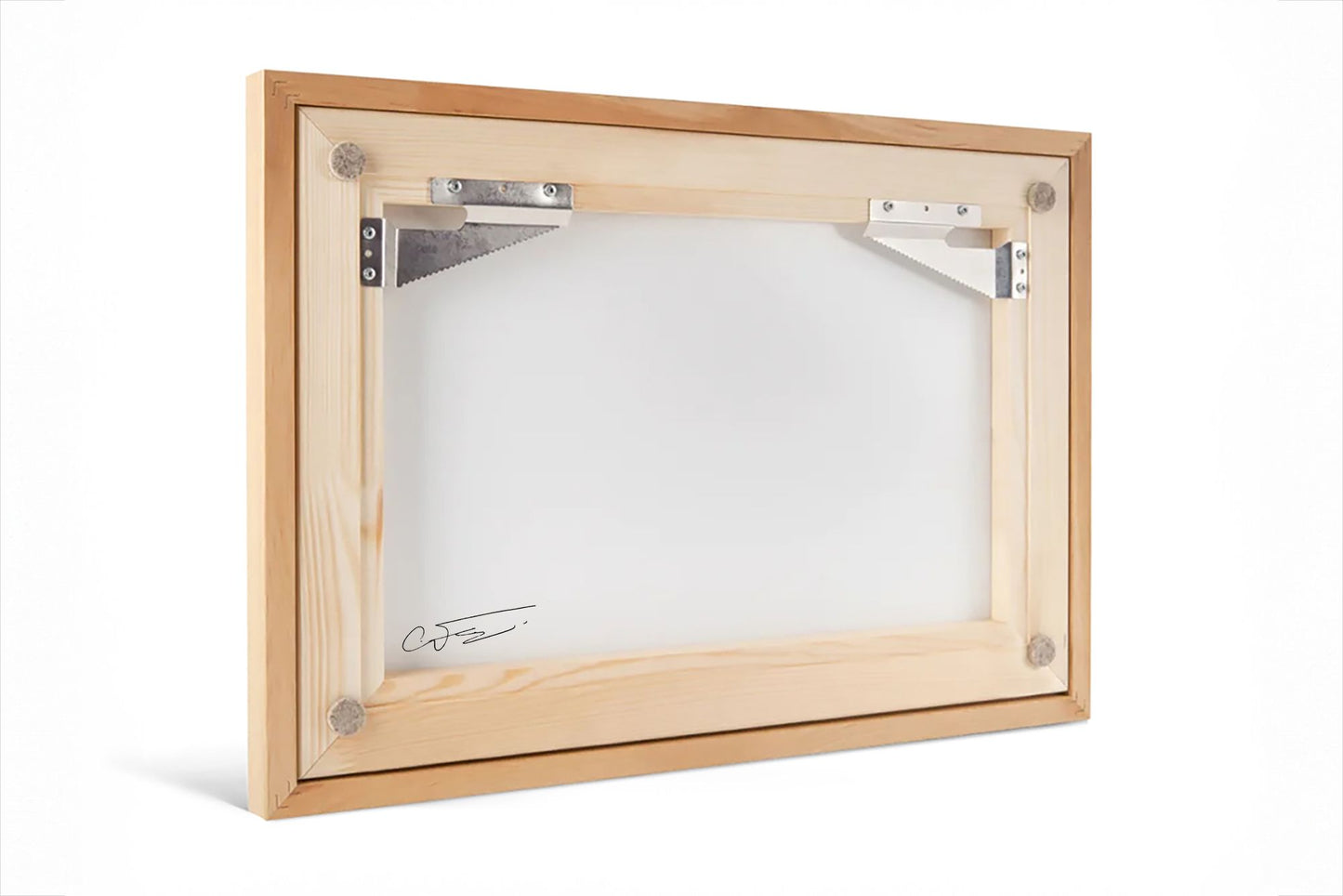
For a finished presentation, the mounted artwork can be set in a floater frame. This custom-made solid hardwood frame creates a unique visual effect with a gap between the image and the frame, giving the impression that your artwork floats on the wall. The contemporary design is both elegant and subtle, enhancing the presence of the piece without overwhelming it. Available in two colors, black or white, the frame complements a variety of styles.
- Frame Width: 0.6 in. (15 mm)
- Frame Depth: 1.14 in. (29 mm)
- Frame Shadow Gap: 0.27 in. (7 mm)

Ready to hang
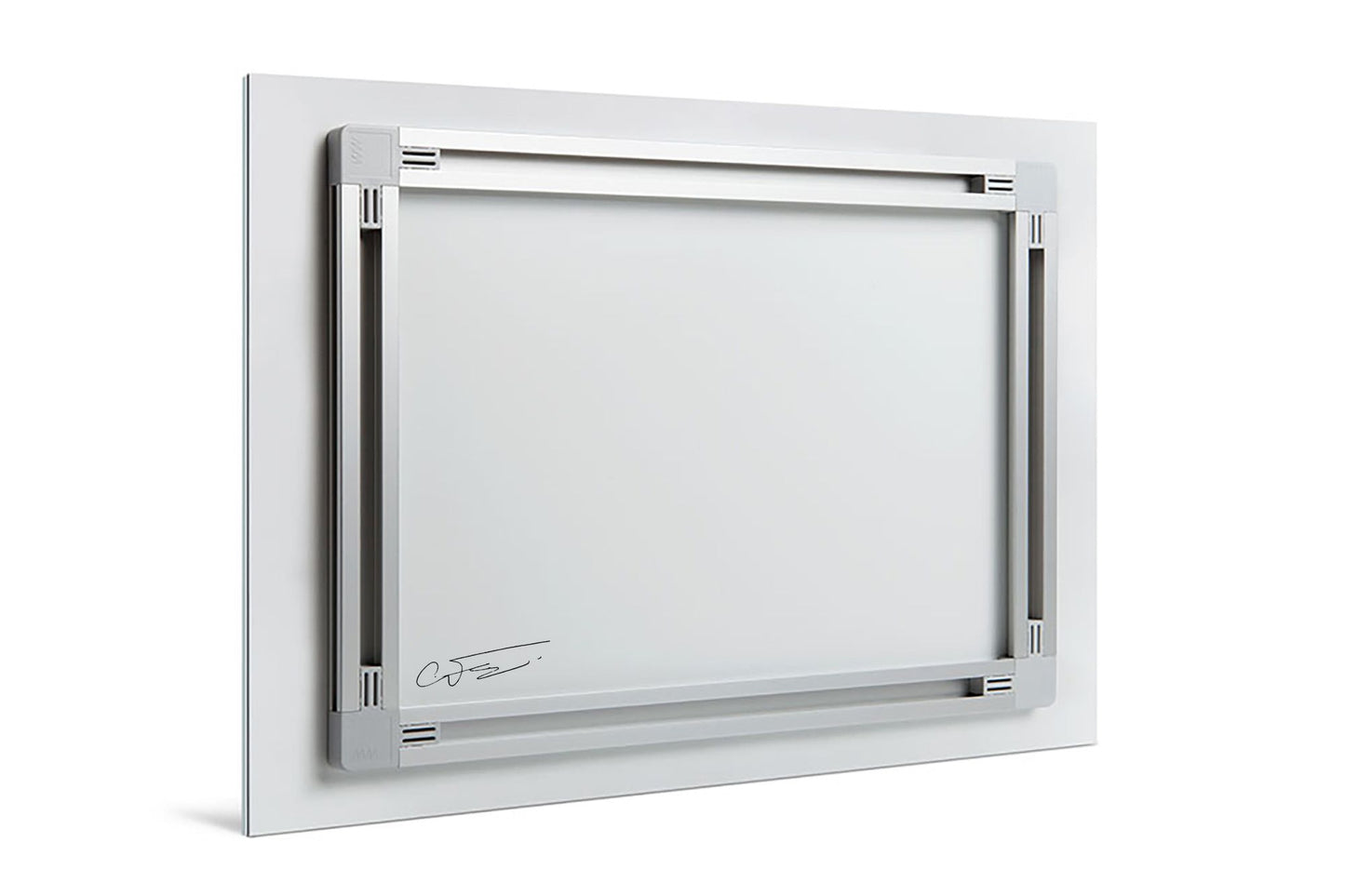
Each frame includes a secure wall fixing system that ensures your artwork is beautifully displayed and ready to hang right away. Prints mounted on aluminum Dibond feature an aluminum rail hanging system, providing the same out-of-the-box convenience for easy installation.
- Effortless setup: Just two nails, screws, or hooks are all you need.
- Durable and stable: The mounting system ensures your piece stays securely in place for long-lasting display.

Certificate of Authenticity
Every limited edition artwork comes with a Certificate of Authenticity.
- Originality: The certificate confirms your artwork is an original, signed by my hand, not a mass-produced copy.
- Edition number: Each piece carries its own number in the edition, so you know exactly where it sits and how few exist.
- Signed by hand: I sign and number every piece myself before it leaves the studio.